
Do you want to add more revenue to your ecommerce business?
An estimated 571 billion US dollars were made through social commerce globally in 2023. From 2023 to 2028, this segment is predicted to grow at a compound annual growth rate (CAGR) of 13.7%, with revenues expected to reach $1 trillion by the latter year.
Pinterest is one of the most visually appealing and interactive social networking e-commerce businesses, so if you’re trying to earn money for your online store, you may use Pinterest.
So, if you’re confused about how to use Pinterest, read on to find out how to make the Pinterest business account a way to make money.
First of all, learn.
Pinterest is a visual discovery engine for finding ideas like recipes, home and style inspiration, and more. Users can discover, save, and curate content by creating and organizing personal boards where they pin items of interest.
Moreover, people can explore and share images, GIFs, and videos on Pinterest representing their hobbies and interests, making it a popular platform for inspiration and creative ideas. It allows users to browse through a vast collection of visuals posted by others, known as “pins,” and can “repin” these to their own boards or create new pins from websites and upload personal images.
What Are the Most Useful Ways to Make Money on Pinterest?
On Pinterest, users explore, discover, and make purchases, arriving at moments of creativity. Influencers and e-commerce businesses can earn money on Pinterest by finding potent strategies to capitalize on the platform. When aiming for money on Pinterest, several approaches should be considered:
- Drive traffic to monetized websites or blogs by creating engaging pins that encourage users to click through.
- Use Pinterest analytics to understand what content resonates with your audience, helping tailor your pins to drive more engagement and potential sales.
- Encourage Pinterest users to make a purchase by creating pins that link directly to e-commerce products, using clear and compelling images and descriptions.
What Strategies Can You Consider to Make Money on Pinterest?
On Pinterest, users explore, find, and make purchases. Present yourself to your audience at the precise moment of inspiration and show them your Pinterest content or your Pinterest profile. When attempting to make money on Pinterest, there are a few strategies to take into account:
-
- Group boards
- Affiliate collaborations
- Ads on Pinterest
- Advertised content
- Blogs
1. Group boards
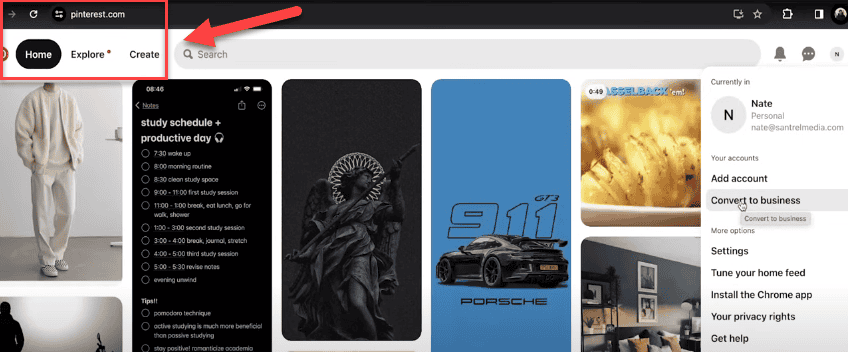
Pinterest creators thrive on group boards by showcasing their unique content, attracting a broader audience. These platforms are perfect for anyone eager to learn how to make money on Pinterest in 2024, offering a space to share ideas and inspire others. As a creator, your interest in specific topics can turn boards into magnets for like-minded individuals.
Expanding Your Reach
Joining a group board isn’t just about sharing; it’s a strategic move to boost your visibility and Pinterest followers. Think of it as opening a booth in a bustling market of 2024, where every pin can attract passersby, converting them into visitors to your website or store. This exposure is crucial for creators looking to monetize their Pinterest presence effectively.
Engaging Your Audience
Regularly pinning engaging content helps in building a trustworthy brand, turning your Pinterest board into a hotspot for followers and potential customers. As a Pinterest virtual assistant or creator, fostering community engagement on these boards can lead to increased site traffic and sales, proving the power of strategic pinning in growing your audience and earning dollars.
2. Affiliate Marketing
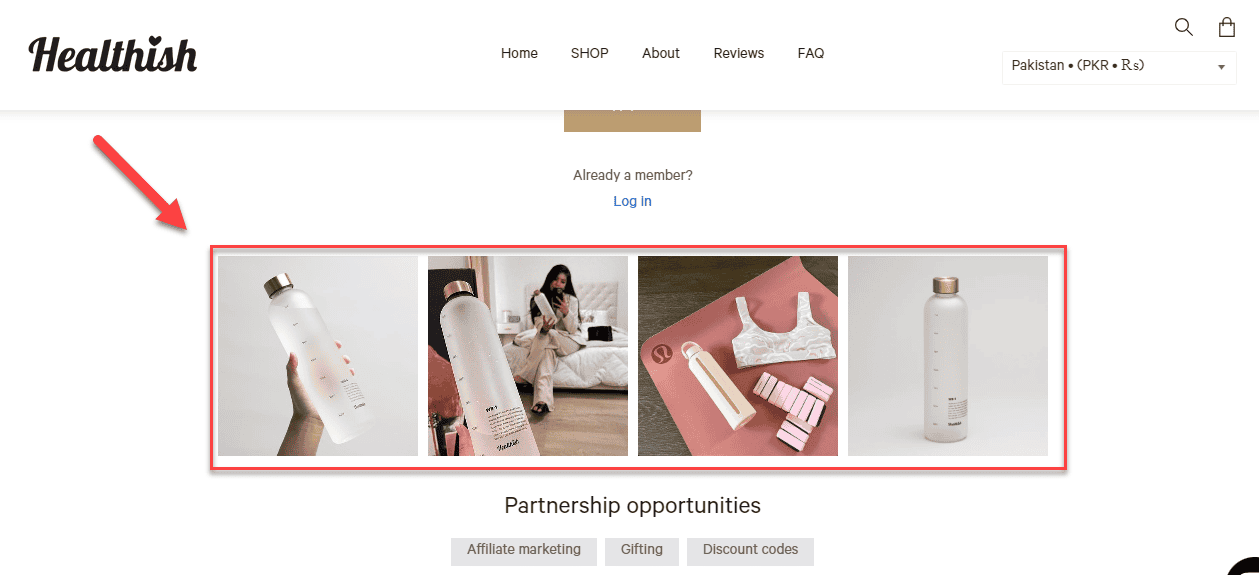
Affiliate partnerships happen when one brand or person supports selling products or services to another. It’s like joining forces, where one side promotes, and both sides gain rewards. By signing up for an affiliate program, you link with brands and start this cooperation. For instance, Healthish, a retailer of water bottles, developed a million-dollar brand through affiliate marketing. To raise publicity for the debut of its flagship product, the WB-1 bottle, it turned to Instagram influencers instead of the conventional affiliate network.
How Pinterest Affiliate Marketing Works
Pinterest affiliate marketing unfolds when you post content on your Pinterest page that highlights a brand’s items with a unique link. If folks on Pinterest tap on your posts and purchase, you pocket a commission. It’s a nifty way to bag money by sharing stuff you fancy.
How to Earn From Affiliate Sales on Pinterest
To earn cash from affiliate sales on Pinterest, you need a bunch of followers who dig what you’re marketing. It’s all about aligning your Pinterest audience with the ideal brand products. Amping up clicks on your affiliate links through Pinterest ads or engaging content enhances your shot at earning more commissions.
3. Ads on Pinterest
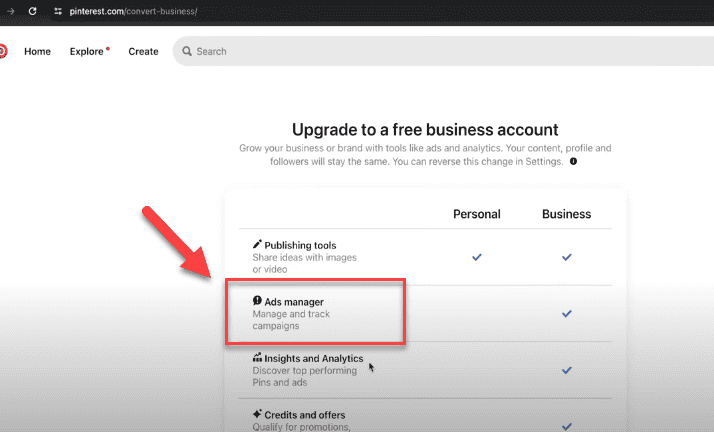
Pinterest helps sellers to grow their audience by showcasing their products directly where users scroll and explore, like on home and category feeds, and in search results. You can manage your money using a set budget, making it a flexible and controlled way to fit any marketing strategy.
Placement of Pinterest Ads, Ad Format, Cost and Ads Manager
Ads on Pinterest blend smoothly into the user’s view, not interrupting their experience. These ads are flexible in format and use a cost-per-click (CPC) model, letting businesses adjust their spending based on their budget and goals, which is essential for making extra income from Pinterest.
The Ads Manager simplifies the process of creating and overseeing promoted pins. This step-by-step guide helps you define your audience, select the right keywords, and monitor how your ads perform, which is key for growing your Pinterest presence and earning creator rewards.
Benefits of Pinterest Ads
These ads are a great way to get your brand seen and drive more traffic to your ecommerce site. They boost visibility, increase brand awareness, and enhance sales conversions. This makes it entirely possible to make extra income with Pinterest, offering a practical way to earn extra money and enhance your digital marketing strategy.
4. Blogs on Pinterest
Pinterest can really change the game for making your brand’s blog more visible. By setting up a special board and sharing posts with striking images, you can pull in more visitors. Make sure each post is packed with useful info and has a link back to your site to keep folks engaged.
Blog Niche Selection
Picking the right niche for your blog on Pinterest is key. It needs to fit with your brand and hit the right note with your audience. A clear niche helps in creating content that not only looks good but also keeps your readers hooked and coming back.
Building a Profitable Blog
Creating a profitable blog on Pinterest takes time. Regularly posting quality, engaging stuff helps build a loyal following. As time goes on, this can lead to selling products or getting subscriptions, helping you start making extra income and turning your blog into a money-making channel.
5. Advertise Content

Earning on Pinterest isn’t just about sharing ideas; it’s also a way to make extra income by promoting brands. You craft posts that link to their websites or products. Unlike an affiliate relationship where you earn per sale, Pinterest pays you directly for these posts.
Creating Sponsored Posts
To create sponsored content on Pinterest, team up with brands that match your Pinterest style. You’ll make posts about their products, boosting your income by using Pinterest and bringing diversity to your board. It’s akin to weaving a tale that highlights the brand.
Utilizing Pinterest’s Paid Partnership Tool
Pinterest’s paid partnership tool is handy for marking sponsored content. Using this feature, your posts are labeled, showing your audience it’s a paid partnership. This clarity fosters trust as you explore different Pinterest strategies. This platform allows for clear communication of sponsored activities, ensuring transparency.
Can You Make Money On Pinterest?
Yes, creators earn money on Pinterest by crafting original content. With 60% of its users being women and about 50% having a household income over $100,000 annually, the platform offers a lucrative opportunity. Pinterest is a visual space where engaging content leads to brand discovery and sales, making it ideal for earning money by creating original ideas.
To start utilizing Pinterest effectively, focus on idea pins based on Pinterest prompts. These pins, tailored to user interests and trends, can capture attention and drive traffic. Considering that 80% of weekly users find new brands or products here, there’s a significant chance to help you get money through strategic pin creation and marketing.
Furthermore, working on Pinterest as a virtual assistant can be another avenue to monetize your skills. By managing accounts and crafting engaging pins, you can support online business owners in increasing their brand presence and driving sales, proving Pinterest’s potential to gain money by creating original idea-driven content for businesses and individuals alike.
How To Start A Business On Pinterest?
To start a business on Pinterest, follow the below steps:
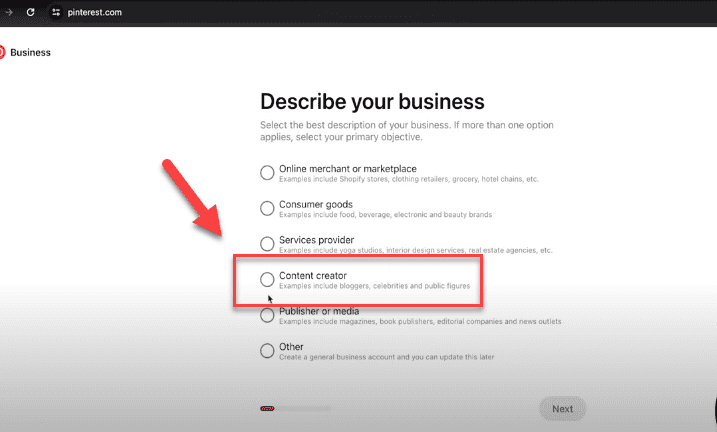
1. Set Up a Business Account
To start a business on Pinterest, first, set up a business account. This is crucial for accessing analytics and using Pinterest for business purposes. Your Pinterest profile page should clearly represent your brand, helping to attract your Pinterest audience effectively.
2. Create Rich Pins
Next, create rich pins to add more context to your posts. These pins are ideal for monetizing Pinterest as they provide extra information directly on the pin, which can lead to earning money through Pinterest. Rich pins are great for enhancing the pins for your Pinterest account.
3. Focus on SEO
Focusing on SEO is key to utilizing Pinterest to get noticed. Use relevant keywords in your pin descriptions and boards to improve visibility. Successful Pinterest campaigns often rely on strong SEO strategies to attract more viewers and potential customers via Pinterest.
4. Post Quality Pins Regularly
Regularly posting quality pins keeps your audience engaged and helps establish a successful Pinterest presence. Consistency in sharing valuable content will make women make significant strides in earning money through Pinterest. However, ensure not to spam, as Pinterest may block accounts that do so.
5. Add Pinterest “Save” Buttons to Your Website
Lastly, integrate Pinterest “save” buttons on your website to facilitate easy pinning of your content. This feature encourages visitors to add your products or content to their boards, increasing visibility and potential traffic like Pinterest recommends.
Do You Need Previous Marketing Experience To Make Money On Pinterest?
No, you don’t necessarily need previous marketing experience to make money on Pinterest. Many newcomers learn how Pinterest works and successfully monetize their presence. With the right approach, anyone can create Pinterest boards and pins that attract attention and drive traffic.
Moreover, focus on creating engaging pins on Pinterest that showcase your products or services. According to Pinterest, visually appealing content leads to higher engagement. Utilize the platform’s tools to design pins that highlight your offerings and resonate with your target audience.
Furthermore, as you get familiar with the platform, turn to Pinterest guides and community advice to refine your strategy. The introduction of new Pinterest features regularly offers fresh opportunities to enhance your presence. With dedication, these resources can help you make money on Pinterest, even without prior marketing experience.
Can Pinterest become a profitable side hustle?
Yes, consuming Pinterest can become a profitable side hustle, especially through affiliate marketing. By promoting products and linking to affiliate sites, you can earn commissions. People on Pinterest often seek inspiration, making it a fertile ground for marketing efforts.
Additionally, marketing on Pinterest involves sharing pins with affiliate links to products or services. This strategy can be lucrative if you target the right audience and make content that resonates with them.
Lastly, to maximize earnings, combine affiliate marketing on Pinterest with engaging, high-quality content that appeals to your audience. Make sure your pins stand out and provide value. This way, you can attract more followers and potentially increase your affiliate earnings.
Wrapping Up
Becoming a Pinterest pro allows you to tap into a world where you can start making money by sharing your passion. Utilizing affiliate links on your pins can smoothly transition your hobby into a revenue stream, letting you earn a commission with each sale.
Moreover, Pinterest marketing isn’t just about pinning randomly; it’s a strategic effort to connect with followers and drive sales. By engaging actively and thoughtfully, you can become a Pinterest influencer or marketer, transforming your creative pins into profitable ventures.
Lastly, as you step into the Pinterest ecosystem, the potential to start making money grows. The crafting of pins that resonate with your audience, combined with savvy use of affiliate links, can turn your Pinterest account into a significant side hustle or even a full-time income source.